
Your Gut Is a Garden, and You’re the Gardener: How to Cultivate a Healthier Microbiome
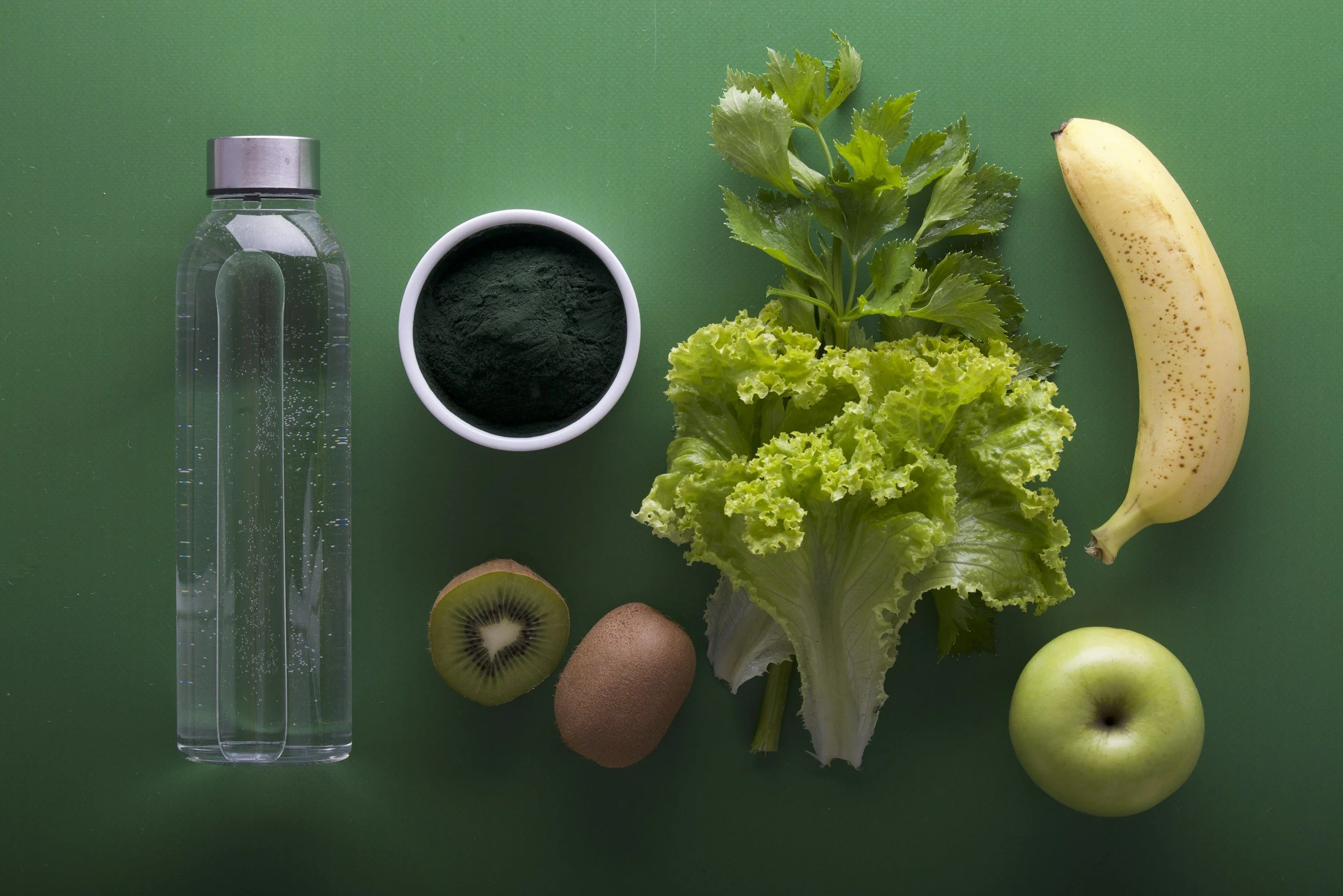
A healthy gut is not something you simply achieve; it is something you cultivate over time, much like tending an ecosystem that responds to every choice you make. Gut health has become one of the most talked-about topics in wellness, and for good reason. The latest research shows that the gut influences nearly every aspect of our wellbeing. But gut health is much more than a trend or a buzzword. It is a living ecosystem, and the way you nourish it shapes everything from digestion and metabolism to immunity, mood, and long-term health.
Thinking of the gut as a garden is one of the simplest ways to understand what it needs. When the soil is rich and diverse, everything grows as it should. When it’s depleted, the entire system struggles. Your microbiome responds in the same way.
Researchers now estimate that the gut contains trillions of microorganisms representing hundreds of species, each performing unique metabolic and immune-supporting functions. Approximately seventy percent of the immune system resides in gut-associated lymphoid tissue. The gut also synthesizes neurotransmitters including serotonin, dopamine, and GABA, which influence emotional regulation, mood, and sleep. Microbial diversity and balance are considered key markers of a healthy microbiome. Diet remains the most influential factor shaping this diversity, with whole foods, plant fibers, and fermented foods shown to enhance resilience, while ultra-processed diets and chronic stress negatively affect microbial structure and function.
References: Turnbaugh et al., Nature 2006. Cryan et al., Physiol Rev 2019. Valdes et al., BMJ 2018.
Why the Microbiome Matters
Most of the microbes that support your health live in the colon, forming a community that actually outnumbers your human cells. These microbes produce vitamins, regulate inflammation, strengthen the gut lining, break down certain fibers, and communicate with your brain through the gut–brain axis.
This ecosystem only thrives with the right inputs. And in today’s world, where restrictive diets and extreme health trends are common, this foundation is often overlooked.
Gut microbes perform essential metabolic activities that humans cannot do on their own. They produce vitamins including K2, folate, and certain B vitamins. They break down complex carbohydrates and fibers into short-chain fatty acids such as butyrate, acetate, and propionate. These metabolites regulate inflammation, support the gut barrier, modulate blood sugar, and influence appetite and energy regulation. Microbial metabolites also communicate with the brain through the vagus nerve and through immune and endocrine pathways. Dysbiosis, defined as a disrupted microbial balance, has been associated with mood disorders, metabolic dysfunction, autoimmune disease, and increased intestinal permeability.
References: Koh et al., Cell 2016. Zheng et al., Nat Rev Microbiol 2017. Foster et al., Trends Neurosci 2021.
The Fiber Gap in Modern Health Trends
One of the clearest patterns in modern wellness is the rise of eating styles that unintentionally remove almost all dietary fiber. Whether it is an all-animal approach, an ultra low carb phase, or any protocol built around removing most plants, these trends often skip the very thing the gut relies on to stay healthy: fermentable fiber.
Fiber is not about “roughage” or simply helping things move along. Fermentable fibers are the food source your beneficial microbes use to create the compounds that support your gut lining, regulate inflammation, and maintain metabolic balance. Without fiber, the microbiome is essentially running a system with no fuel.
When the gut goes too long without fermentable fibers, several predictable things happen:
• Microbial diversity declines
• Beneficial species lose their food source
• The gut barrier becomes more vulnerable
• Inflammation gradually increases
• Metabolic regulation is affected
This happens because your microbes cannot make their key protective compounds without fermenting fiber. You cannot eat these compounds directly and expect the same effect. Foods like butter may contain butyrate on the surface, but it does not reach the colon intact or feed the bacteria that keep your gut lining strong.
Only fermentable plant fibers can do that.
When fiber disappears from the diet, microbes begin breaking down the protective mucus layer of the intestine instead, which can weaken barrier integrity over time. Studies consistently show that long-term low-fiber patterns reduce short-chain fatty acid production, decrease resilience, and increase susceptibility to inflammation.
Different types of fiber nourish different beneficial species. Resistant starch, inulin, pectin, and beta-glucans each feed unique groups of bacteria, which is why variety matters. A fiber-rich diet creates the kind of diverse ecosystem that has been strongly linked with better digestion, improved immunity, more balanced metabolism, and long-term gut resilience.
References: Desai et al., Cell 2016. Makki et al., Nat Rev Gastroenterol Hepatol 2018. Sonnenburg and Sonnenburg, Cell Metab 2019.
Prebiotics: Feeding the Soil
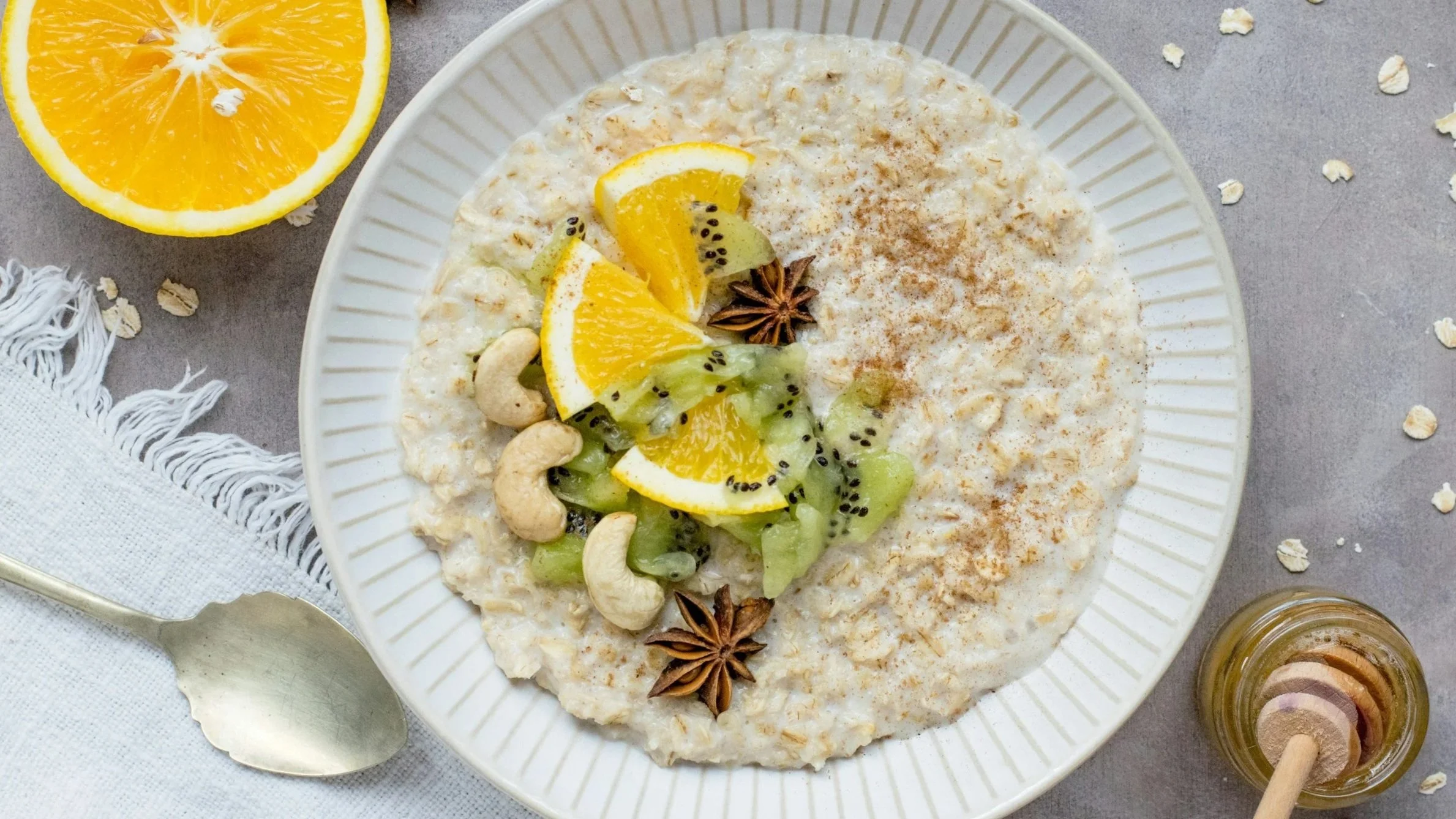
Prebiotics are fibers we cannot digest, but our microbes can. When bacteria ferment these fibers, they produce short-chain fatty acids such as butyrate, acetate, and propionate. These support gut barrier repair, reduce inflammation, help regulate digestion, and even influence appetite and blood sugar.
Soluble fiber from oats, apples, lentils, and beans helps slow digestion and balance blood sugar. Insoluble fiber supports regularity and helps remove waste effectively.
Fiber is one of the simplest and most evidence-backed tools for lasting gut health.
Probiotics: Planting What You Want to Grow
Prebiotics include inulin, galacto-oligosaccharides, resistant starches, and pectins. Each type supports different categories of beneficial bacteria and enhances short-chain fatty acid production. Butyrate-producing bacteria such as Faecalibacterium prausnitzii and Roseburia thrive when fermentable fibers are available. Butyrate strengthens the intestinal barrier by supporting the energy needs of colonocytes, regulating immune tolerance, and reducing oxidative stress. Prebiotics also enhance mineral absorption by lowering colonic pH and increasing solubility, which may help support bone mineralization.
References: Davani Davari et al., Foods 2019. Morrison and Preston, Cell Mol Life Sci 2016. Rivière et al., Front Microbiol 2016.
Probiotics: Planting What you Want to Grow
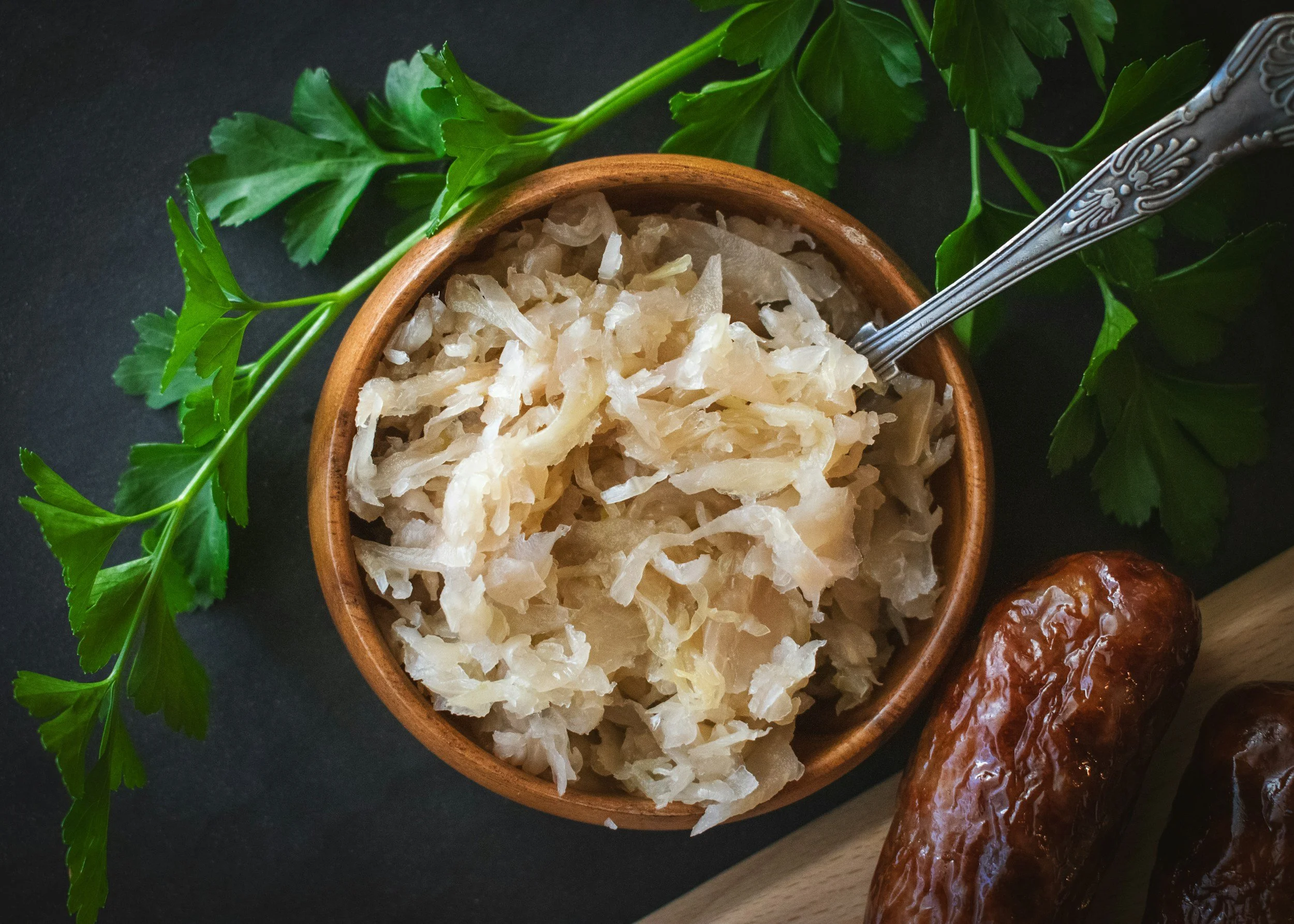
Probiotics introduce beneficial organisms that support digestion, nutrient absorption, immune function, and mood.
Food sources include:
Yogurt
Kefir
Sauerkraut
Kimchi
Kombucha
Fermented vegetables
Supplements can be helpful in targeted situations, but whole fermented foods remain foundational. Different probiotic strains have distinct benefits. Lactobacillus strains often support digestion, reduce inflammation, and inhibit pathogen adhesion. Bifidobacterium strains excel at breaking down oligosaccharides and producing short-chain fatty acids that improve barrier function. Fermented foods offer not only live bacteria but also beneficial metabolites such as lactic acid, peptides, and postbiotics that continue supporting health even when bacteria are no longer living. Regular consumption of a variety of fermented foods has been linked to improved microbial diversity and reduced inflammatory markers.
References: Gul and Durante Mangoni, J Clin Med 2024. Marco et al., Nat Rev Gastroenterol Hepatol 2017. Wastyk et al., Cell 2021.
Minerals: Strengthening the Structure of the Soil
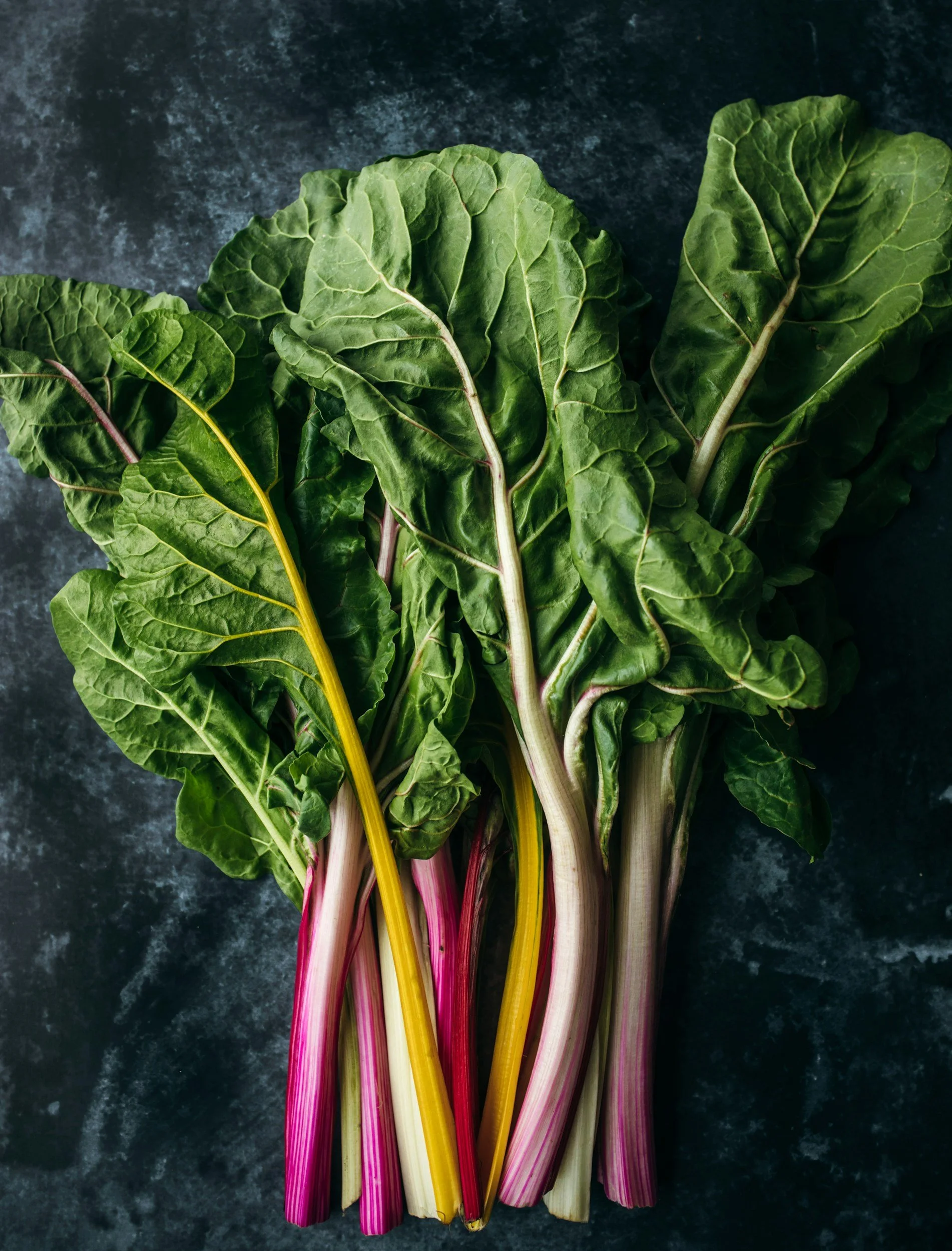
Minerals often go unnoticed in gut health conversations. Magnesium, in particular, plays a key role in motility, inflammation, microbial diversity, and the growth of beneficial bacteria like Akkermansia muciniphila.
It is also essential for producing glutathione, a major antioxidant that protects the gut lining and supports tight-junction integrity.
Leafy greens, nuts, seeds, bone broth, and mineral-rich water all help maintain this crucial foundation.
Magnesium is involved in more than three hundred enzymatic reactions, many of which influence digestive health, motility, and inflammatory signaling. Magnesium deficiency has been associated with increased inflammatory markers, disruptions in glucose metabolism, and disturbances in circadian rhythm, all of which can alter microbial balance. Magnesium also supports glutathione synthesis. Glutathione protects intestinal cells from oxidative stress and plays a role in maintaining tight junction integrity. Other minerals such as zinc support mucosal repair and immune modulation. Calcium and potassium from whole foods often appear alongside plant fibers and polyphenols, creating synergistic benefits for the microbiome.
References: Gaike et al., FEMS Microbiol Lett 2023. Ionut et al., Nutrients 2021. LeBlanc et al., Nutrients 2017.
The Gut as a Mirror of Whole-Body Health
A balanced microbiome supports energy, digestion, hormone balance, skin clarity, cognitive function, and immunity. When it becomes imbalanced, symptoms often appear throughout the body. The way you nourish your gut matters. Like any garden, it needs consistent care, variety, and the right inputs. When you feed it well, your entire body benefits.
Healthy soil grows everything better.
Dysbiosis is associated with conditions including metabolic syndrome, obesity, type 2 diabetes, cardiovascular disease, autoimmune disorders, and inflammatory skin conditions. Short-chain fatty acid levels correlate with insulin sensitivity, inflammation control, and appetite regulation. The skin–gut axis demonstrates how microbial imbalance can influence conditions such as eczema, acne, and rosacea. The microbiome also plays a role in hormone metabolism through the estrobolome, a collection of bacteria that regulate estrogen recycling. A resilient microbiome enriches immune function, supports neurotransmitter production, and strengthens the gut barrier, which in turn influences nearly every aspect of long-term health.
References: Carding et al., Microbial Ecology in Health and Disease 2015. Zmora et al., Nat Rev Gastroenterol Hepatol 2019. Plottel and Blaser, J Clin Endocrinol Metab 2011.
In Summary
When you zoom out and really look at the research, a few themes become almost laughably clear. Your gut is not fragile. It is not mysterious. It is simply hungry for the things humans have always eaten. It thrives on diversity, whole foods, plant fibers, fermentation, and minerals that support its architecture. When these show up consistently, everything else becomes easier: digestion, metabolism, mood, immunity, energy, and long-term resilience.
Modern low-fiber diet trends can feel clean or controlled, but they often remove the exact ingredients the microbiome depends on. A thriving gut needs plants. It needs fiber. It needs fermentation. It needs the slow, mineral-rich foods found in traditional diets. These are not trends. They are the blueprint.
Your gut is a living environment that notices how you care for it. When you feed it well, it organizes itself into something strong and steady. When you give it fibers to ferment, microbes bloom. When you add fermented foods, diversity increases. When you nourish it with minerals, the whole structure becomes more resilient.
And just like any garden, the magic never happens overnight. It happens slowly, quietly, beneath the surface. Then suddenly everything feels easier. Your digestion smooths out. Your energy steadies. Your mood lifts. Your body feels safer to live in.
Healthy soil grows everything better. And your gut is no exception.
Key Points
• The gut is a complex ecosystem that affects digestion, immunity, metabolism, hormonal balance, and mood.
• A diverse and well-nourished microbiome is strongly associated with better long-term health outcomes.
• Modern low-fiber diet trends, including carnivore-style approaches, lack the fermentable fibers essential for microbial diversity and gut barrier integrity.
• Prebiotic fibers feed beneficial bacteria and increase short-chain fatty acids such as butyrate, which strengthen the gut lining and regulate inflammation.
• Probiotics and fermented foods help introduce new beneficial microbes and support microbial balance and resilience.
• Minerals, especially magnesium, support gut motility, microbial diversity, antioxidant production, and the maintenance of tight junction integrity.
• Dysbiosis, or an imbalanced microbiome, is linked to a wide range of conditions including metabolic syndrome, mood disorders, autoimmune disease, and skin issues.
• Consistent intake of fiber-rich foods, fermented foods, and mineral-rich whole foods remains one of the most evidence-supported ways to improve gut health naturally.
References
Carding CR, Davis N, Hoyles L. The human intestinal microbiome in health and disease. Microbial Ecology in Health and Disease. 2015.
Cryan JF, O’Riordan KJ, Cowan CSM et al. The microbiota gut brain axis. Physiology Review. 2019.
Desai MS, Seekatz AM, Koropatkin NM et al. A dietary fiber-deprived gut microbiota degrades the colonic mucus barrier and enhances pathogen susceptibility. Cell. 2016.
Foster JA, Rinaman L, Cryan JF. Stress and the gut brain axis. Trends in Neurosciences. 2021.
Gaike AH, Kalamkar SD, Gajjar V et al. Effect of long term oral glutathione supplementation on gut microbiome of type 2 diabetic individuals. FEMS Microbiology Letters. 2023.
Gul S, Durante Mangoni E. Unraveling the puzzle. Health benefits of probiotics. Journal of Clinical Medicine. 2024.
Ionut V, Liberty IF, Ely S et al. Magnesium deficiency and its impact on metabolic and inflammatory pathways. Nutrients. 2021.
Koh A, De Vadder F, Kovatcheva-Datchary P, Bäckhed F. The role of the gut microbiota in energy metabolism. Cell. 2016.
LeBlanc JG, Chain F, Martín R et al. Beneficial effects on host energy metabolism of short-chain fatty acids and vitamins produced by commensal and probiotic bacteria. Nutrients. 2017.
Makki K, Deehan EC, Walter J, Bäckhed F. The impact of dietary fiber on gut microbiota in host health and disease. Nature Reviews Gastroenterology and Hepatology. 2018.
Marco ML et al. Health effects of fermented foods. Nature Reviews Gastroenterology and Hepatology. 2017.
Morrison DJ, Preston T. Formation of short-chain fatty acids by the gut microbiota and their impact on human metabolism. Cell and Molecular Life Sciences. 2016.
Plottel CS, Blaser MJ. The gut microbiome and estrogen metabolism. Journal of Clinical Endocrinology and Metabolism. 2011.
Rivière A, Selak M, Lantin D, Leroy F, De Vuyst L. Bifidobacteria and butyrate-producing colon bacteria. Frontiers in Microbiology. 2016.
Sonnenburg ED, Sonnenburg JL. The ancestral and industrialized gut microbiota and implications for human health. Cell Metabolism. 2019.
Turnbaugh PJ et al. A core gut microbiome in obese and lean twins. Nature. 2006.
Valdes AM, Walter J, Segal E, Spector TD. Role of the gut microbiota in nutrition and health. BMJ. 2018.
Wastyk HC, Fragiadakis GK, Perelman D et al. Gut microbiome response to fermented foods is associated with decreased inflammatory markers. Cell. 2021.
Zheng P, Zeng B, Zhou C et al. Gut microbiome remodeling induces depressive like behaviors through the gut brain axis. Nature Reviews Microbiology. 2017.
Zmora N, Suez J, Elinav E. You are what you eat. Diet, microbiome and health. Nature Reviews Gastroenterology and Hepatology. 2019.